I’ve spent more nights than I care to count with the lights on because of a book I chose to read voluntarily. The first time it happened, I was sixteen, hiding under a blanket with a flashlight, convinced that if I put the novel down, something in the room would notice. The book wasn’t a modern horror story. It was Jane Eyre.
That’s the strange magic of the classic gothic novel. It doesn’t rely on gore or jump scares. It gets under your skin by making the ordinary feel threatening—a locked door, a strange laugh from the third floor, a face at the window. And centuries after these books were first published, they’re still shaping the stories we consume daily, whether we realize it or not.
Key Takeaways
- Classic gothic novels established a set of narrative tools—unreliable perspectives, architectural anxiety, and psychological ambiguity—that modern fiction still borrows heavily from.
- The genre’s influence extends far beyond literature into film, fashion, and even video game design, where gothic aesthetics and tropes remain dominant.
- Contemporary authors aren’t just imitating these classics; they’re actively reinterpreting gothic tropes through feminist, postcolonial, and urban lenses.
- The core of gothic terror has shifted from supernatural monsters to internal, psychological dread—a direct evolution of what authors like Ann Radcliffe and Edgar Allan Poe were doing.
- Understanding the original mechanics of gothic fiction helps you spot its DNA in everything from The Haunting of Hill House to Dark Souls.
Why These Old Ghost Stories Still Dictate Modern Storytelling
The influence of classic gothic novels isn't a matter of dusty literary homage. It's a direct pipeline of technique. When you watch a thriller where the protagonist can't trust their own memory, you're watching a descendant of gothic fiction. When a horror movie traps its characters in a labyrinthine building with a hidden history, that architecture comes straight from the pages of The Castle of Otranto.
I remember a few years ago, I was writing a short story—a contemporary piece about a woman renovating an old apartment. I kept hitting a wall. The narrative felt flat. Then it hit me: I was describing the apartment, but I wasn't making the space itself feel malevolent. The moment I started applying gothic principles—giving the building a secret history, making the walls feel watchful, using the layout to create a sense of entrapment—the story finally came alive.
That's the enduring influence. It's a toolkit, not a collection of relics.
The Core Mechanics of Gothic Horror
What exactly did these 18th and 19th-century authors figure out that we still use today? It’s not just about being scary. It's about a very specific set of narrative devices.
- The Unreliable Perceiver: Gothic novels often use first-person narration from characters who are feverish, grieving, or isolated—think of the unnamed narrator in The Yellow Wallpaper or Lockwood in Wuthering Heights. Their perception is warped, which makes the reader question what is real. Modern psychological thrillers, from Gone Girl to The Girl on the Train, owe their entire structure to this gothic invention.
- Architectural Anxiety: Castles, abbeys, and decaying estates aren't just settings; they are active participants. They have dungeons, secret passages, and rooms that shouldn't exist. This trope has migrated directly into modern horror. The Overlook Hotel, the house in Hereditary, the mansion in Resident Evil—all of these are gothic castles in modern dress.
- Ambiguity of the Supernatural: The best gothic writers, particularly Ann Radcliffe, perfected the "explained supernatural." You think there's a ghost, but it turns out to be a human perpetrator using fear as a weapon. Bram Stoker and Shirley Jackson kept the ambiguity alive, making the reader unsure if the horror is real or psychological. That hesitation, that space for doubt, is what generates deep, lasting dread.
From Britain to the World: A Chronological Spread
We often associate gothic with foggy English moors and Scottish castles. That’s only the beginning. The genre's influence crossed borders early and mutated into distinct national forms.
American writers took the gothic and turned it inward. Edgar Allan Poe stripped away the castle and placed the horror inside the human skull. Nathaniel Hawthorne and Herman Melville used it to examine the dark underbelly of Puritan history. In the 20th century, Southern Gothic writers like Flannery O'Connor and William Faulkner took the grotesque elements of gothic and rooted them in the decay of the American South.
Meanwhile, the gothic was having a parallel evolution in Europe and beyond. Daphne du Maurier’s Rebecca is a quintessential gothic romance that feels perfectly at home in a contemporary setting. Postcolonial writers like Jean Rhys, with Wide Sargasso Sea, took a character from Jane Eyre—the "madwoman in the attic"—and invert the narrative, giving voice to the colonial subject that the original text silenced. To understand the gothic's full reach, you have to look beyond just the classic British canon.
The Unseen Influence: Gothic DNA in Games, TV, and Fashion
Here is where the influence gets interesting—and where most listicles about gothic novels stop short. The reach of these classics extends far beyond bookshelves. I play a lot of video games in my downtime, and I started noticing a pattern. The gothic isn't just an aesthetic overlay; it's the operational logic of entire game genres.
Take Dark Souls, for example. The game drops you into a decaying, interconnected world with a fragmented story told through item descriptions and environmental details. There is no reliable narrator. The world is hostile and ancient, filled with tragedy. That is pure gothic storytelling philosophy translated into gameplay mechanics. You are isolated, you are exploring a labyrinth, and the narrative is ambiguous.
On the TV side, shows like The Haunting of Hill House (which is itself explicitly an adaptation of the Shirley Jackson novel) use the gothic trope of the haunted house to explore family trauma and memory. The house isn't scary because of ghosts; it's scary because it embodies the family's unresolved past. That’s classic gothic psychology.
Even fashion is in on it. The "goth" aesthetic—black lace, velvet, Victorian silhouettes—is a direct visual citation of gothic literature. Designers have repeatedly pulled from the imagery of Dracula and Frankenstein. That archetype of the pale, brooding figure in a high-collared coat is straight out of an 1897 novel.
Specific Case Study: The Modern "Gothic Canon" in Literature
The more I’ve researched this, the more I found that contemporary authors are having a direct, textural conversation with the classics. It’s one thing to say "Poe influenced Stephen King." It’s more precise to point out exactly how.
Silvia Moreno-Garcia’s Mexican Gothic is a masterclass in this. She takes the classic trope of the innocent young woman sent to a remote, decaying family estate—straight out of Jane Eyre and The Mysteries of Udolpho—and transplants it to 1950s Mexico. The horror isn't just a ghost; it's tied to colonialism, eugenics, and the exploitation of local resources. The mansion isn't a European castle; it's a former silver mining compound that literally makes people sick.
This isn't imitation. It's using the gothic framework as a tool for social critique, which is exactly what the original authors did. Ann Radcliffe was writing about the legal and social powerlessness of women under patriarchy. Charlotte Brontë wrote about the need for women to have a broader sphere of work. The metaphors change, but the structure holds.
The Narrative Mechanics That Make Gothic Fiction Tick
If you want to understand why this genre persists, you have to look at the craft on a sentence-by-sentence level. The influence isn't just thematic; it's deeply structural. These are the techniques that modern writers crib, sometimes unknowingly, from the classics.
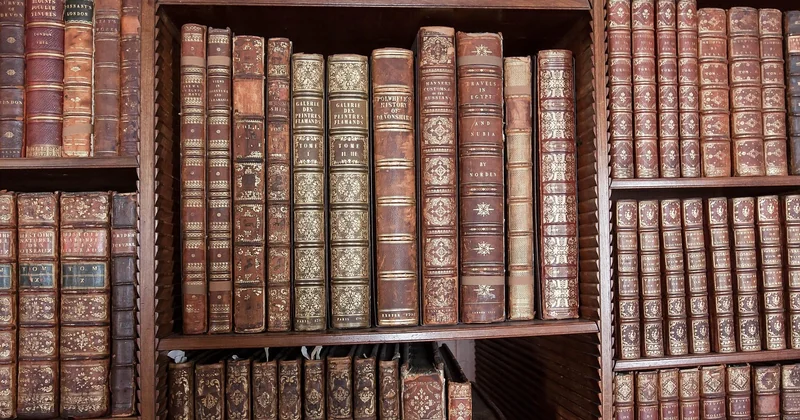
First, consider the frame narrative. Frankenstein is a story within a letter, within a story. Wuthering Heights is told through a diary and a housekeeper’s memories. Dracula is an epistolary novel made of diary entries and newspaper clippings. This framing creates distance, which creates narrative uncertainty. We are reading testimony, not objective fact. Modern true-crime podcasts and documentaries use the exact same device—piecing together a narrative from fragmented accounts to create suspense.
Second, there is the villain's complexity. The gothic villain—from Satan in Paradise Lost (which is a fountainhead for the genre) to Heathcliff to Dracula—is rarely a simple moustache-twirling evil-doer. They are charismatic, wounded, and often morally ambiguous. This "Byronic hero" model is now the default for fascinating antiheroes in prestige TV. Walter White from Breaking Bad or Severus Snape from Harry Potter are modern descendants of these gothic figures.
What Sets Gothic Apart from Standard Horror
I often get asked about the difference between gothic novels and horror fiction. It’s a valid question.
Horror aims to repulse and startle. Gothic aims to evoke a sense of dread and sublime awe. There’s a difference between being shocked by a jump scare and feeling a slow, creeping unease that something is fundamentally wrong with the world order.
Gothic also has a specific relationship with the past. It focuses on how history haunts the present. Modern horror often plays on this ("the past is not dead," as Faulkner said), but gothic is inherent to it. The ruin of the abbey, the decaying portrait, the unresolved family curse—these are gothic concerns about the inescapability of time and ancestry.
The Future of Gothic: Where Does It Go From Here?
Looking ahead, I don’t see the influence of these classic novels declining—I see it intensifying. As our anxieties change, we turn to the gothic framework to process them.
The "terror" in classic novels was tied to anxieties about science (Frankenstein), female agency (Jane Eyre), and immigration (Dracula). Today, writers are using the same tropes to explore anxieties about technology, climate change, and surveillance.
Consider the rise of "eco-gothic," where the landscape itself becomes a vengeful force. Or "techno-gothic," where Artificial Intelligence replaces the monster of Frankenstein—a creation that turns against its creator. I recently read a novella where a smart home system becomes a controlling gothic presence, using its knowledge of the inhabitant's secrets to isolate her. The structure was pure Rebecca, but the ghost was an algorithm.
The tropes—the isolated protagonist, the confining structure, the secret history—are endlessly adaptable. They are mirrors that reflect the specific horrors of our age.
Recommended Reading: The Essential Classics
If you are new to this or want to revisit the source material, there is a standard progression of reading. You can trace the evolution of the genre through these key texts. I would advise reading them in chronological order to see the mechanics evolve.
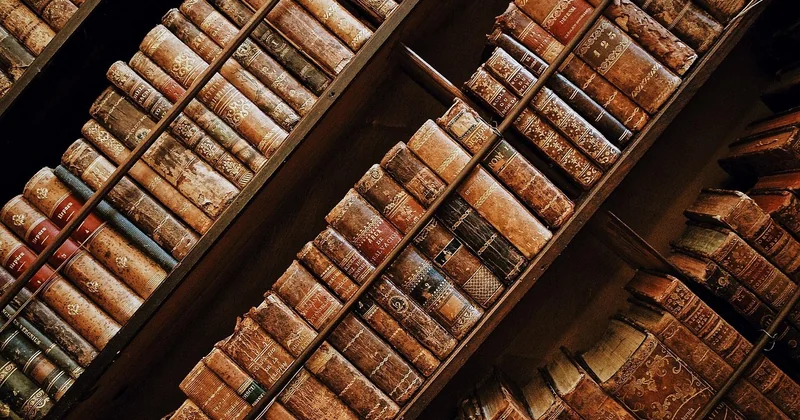
Here are the four pillars of the genre you cannot skip:
1. The Castle of Otranto (1764) – Horace Walpole
- The origin point. It is melodramatic and a bit ridiculous by modern standards, but it establishes the castle, the tyrannical villain, and the supernatural.
2. The Mysteries of Udolpho (1794) – Ann Radcliffe
- Focus: The explained supernatural and the psychological terror of "waiting for the fear." A long read, but crucial for understanding atmosphere.
- If you want a shorter entry into Radcliffe, try The Italian (1797), which is tighter.
3. Frankenstein (1818)/Jane Eyre (1847) – Shelley/Brontë
- These two show the genre maturing. One dives into philosophical horror; the other merges the gothic with social realism.
4. Dracula (1897) – Bram Stoker
- This is the genre codified for the modern age. It introduces a rational modern hero (Van Helsing) fighting an ancient evil. It also introduces a new kind of anxiety.
5. The Turn of the Screw (1898) – Henry James
- The pinnacle of ambiguity. After this, no one can be sure whether the ghost is real or a symptom of madness.
What about Poe and the Americans? Their influence is massive, but they are more of a side-branch. Poe's work is excellent but is largely short fiction. He doesn't write a classic "gothic novel." However, to understand the style of gothic—the rhythm of the prose, the focus on dread—Poe is your best teacher.How to Spot Gothic Influence in What You Read Today
Here is a thought exercise I use when I’m reading a bestselling thriller or watching a new series. I look for the gothic "tells."
- Is there a single, isolated location that acts as a character?
- Is there a secret from the past that weighs on the present?
- Is there a villain who is sympathetic or deeply charismatic?
- Is the protagonist uncertain of their own senses?
If you can say yes to two or more of these, you are looking at a modern strand of the gothic. It’s not just about ghosts and graveyards. It’s about the anxiety of being trapped—in a house, in a family, in your own mind.
Look at the popularity of "domestic suspense" over the last few years. The ‘girl’ in these novels is often trapped in a beautiful but oppressive domestic space. That is Jane Eyre without the Victorian dress.
Frequently Asked Questions About the Genre
What is the difference between "Gothic" and "Horror" in literature?
Horror often aims to create immediate feelings of fear, shock, or disgust through graphic imagery or sudden threats. Gothic literature, conversely, aims to create a sustained atmosphere of dread, mystery, and suspense, focusing on psychological terror and a sense of the sublime—where beauty and terror are intertwined. The gothic often involves a decaying setting and a historical past that haunts the present, whereas horror can be set anywhere and often exists solely in the present moment.
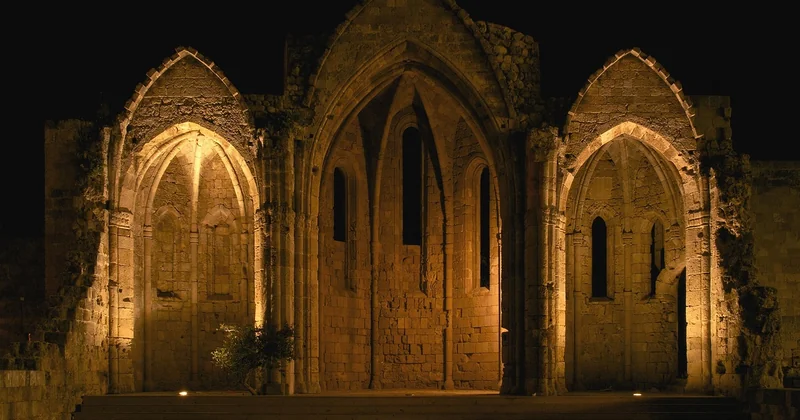
Is Jane Eyre considered a gothic novel?
Yes, though it is categorized as a "Gothic Romance." While it is firmly a realist novel in many aspects—depicting the harsh conditions of 19th-century life and education—it incorporates gothic elements heavily. The setting of Thornfield Hall with its mysteries, the presence of the "madwoman in the attic," the telepathic communication between Jane and Rochester, and the overarching sense of a dark family secret all place it squarely in the gothic tradition, even if it subverts some of the earlier conventions.
Which is the scariest classic gothic novel?
While Dracula and Frankenstein deal with grand existential themes, the scariest might be The Turn of the Screw by Henry James or the short stories of Edgar Allan Poe. The Turn of the Screw is terrifying because of its profound ambiguity. It attacks the reader's certainty about the narrator’s sanity. For a more visceral, modern-feeling scare rooted in the gothic tradition, Shirley Jackson’s The Haunting of Hill House (1959)—which is a direct descendant of these classics—is often cited as the scariest book ever written.
My Honest Take: Why It Matters
I’ll be straightforward: not every old gothic novel is a masterpiece of literature. The Monk by Matthew Lewis is shocking and important, but it’s also messy and over-the-top. The Castle of Otranto is historically fascinating but painfully dated. Yet, the ideas in these books have proven to be incredibly fertile.
What matters is that these books asked the right questions. They asked what happens when human ambition bypasses ethics. They asked what fears lurk beneath the surface of polite society. And they answered those questions with innovative narrative structures that push us to question reality itself.
The classics have endured not because they are old, but because they act as a diagnostic tool for society. We keep returning to them because they are the deepest source code for the stories we tell about being human in a world that is often bigger and more frightening than we are. The key to understanding what is truly modern is often to look at what is ancient—and a little bit haunted.
When you pick up a classic gothic novel, you're not just reading a piece of history. You’re reading the blueprint for every nightmare that has followed.